

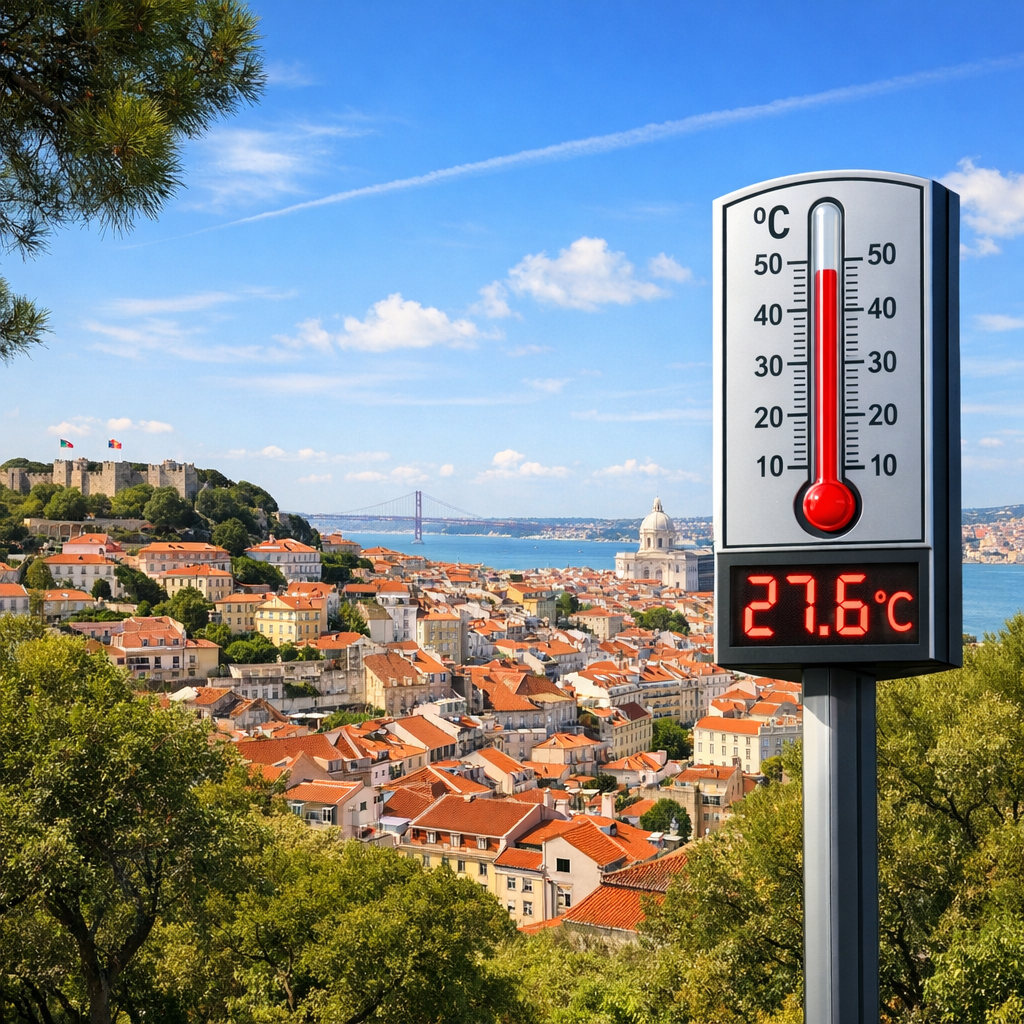
Lisbon is a city known for its mild winters, sun-filled summers, and Atlantic breezes. But over recent decades, climate trends are shifting the familiar rhythms of weather. Here’s a look at what these changes mean for us now—and how we can adapt.
Key Trends in Temperature and Heat
Average daytime highs in summer (June-August) in Lisbon have risen by about 1.2 °C compared to 1970s levels. Winters have also become milder by similar margins. Such shifts lead to more frequent heatwaves and “tropical” nights when temperatures don’t drop off much after dark. This intensifies discomfort, especially in dense urban areas. Strong work is underway through municipal projects mapping heat-vulnerable zones and planning for cooling-centred urban design.
Rainfall Patterns and Seasonal Shifts
Rainfall in Lisbon still clusters heavily in autumn and winter. November and December are typically the wettest months; summer often brings very little rain. But long-term records show a gradual decline in overall rainfall and shifts in how rain events are distributed across the seasons. Short, intense rains interspersed with long dry spells are becoming more common.
Air Quality and Urban Heat Islands
While policies have reduced many traditional air pollutants in Lisbon, ozone (O₃) still often exceeds World Health Organization guideline levels during warm periods. Urban heat island effects—where built-up areas become significantly hotter than green or coastal zones—worsen this, as surfaces like concrete and asphalt absorb and radiate heat.
What the City Is Doing
Lisbon has adopted several strategies to respond. The Lisbon Municipal Climate Change Adaptation Strategy and the Climate Contract 2030 guide policy across heat-waves, flood risk, and energy equity. On a regional scale, the Metropolitan Climate Change Adaptation Plan (AML) works with municipalities to project and mitigate temperature rises, reduce drought risks, and adjust seasonal expectations.
How Residents Can Adapt
Here are measures people in Lisbon can take now to make the changes more manageable in daily life:
- Seek shade, use fans or air conditioning during summer heatwaves and at night when temperatures remain high.
- Use water wisely, especially during long dry spells—collect rainwater, limit outdoor watering, avoid waste.
- Support green spaces and tree planting in your neighbourhood to reduce heat islands and improve air quality.
- Track local alerts via municipal or meteorological services—for heat, air quality, or intense rainfall.
- When renovating or building, consider passive design: insulation, shading, reflective surfaces help regulate indoor temperatures.
Climate change isn’t just about far-off impacts—it’s altering everyday conditions here in Lisbon. By understanding the shifts and acting together, residents, planners, and community groups can soften the changes and protect both health and quality of life.